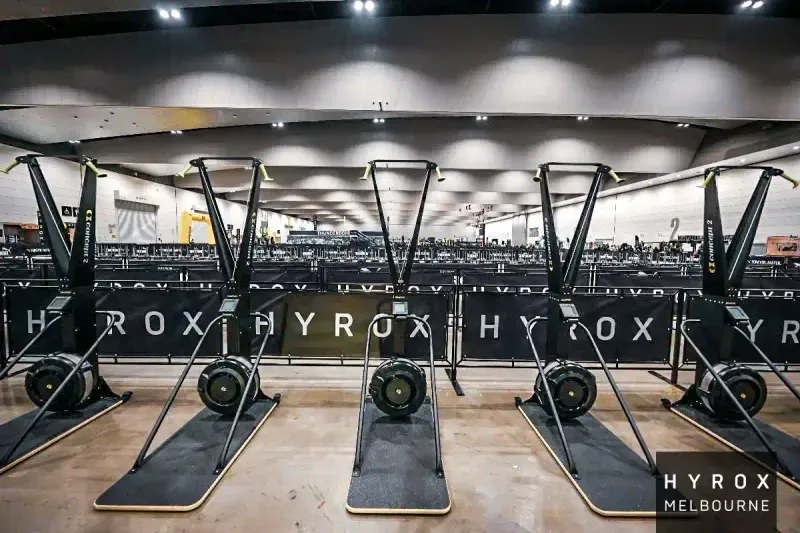
HYROX Seoul returns on 14–15 November 2026, bringing fitness racing back to one of Asia’s most electric cities. Seoul already proved it can deliver serious race energy, and a November edition should mean crisp conditions, strong local gym turnout, and a high-intensity weekend that feels fast, polished, and unmistakably Korean.
This is a city race with edge: smart infrastructure, deep fitness culture, and a crowd that understands performance. If you want a stop that blends PB potential with a proper big-city racecation, Seoul is one of the strongest plays in Asia.
👉 Coordinate your crew for race day with RoxHQ - the free wave time dashboard for HYROX teams. Try RoxHQ now.
Seoul works brilliantly as a HYROX destination because everything feels connected: airport links, subway lines, hotel density, café culture, and post-race recovery options are all world class. The city gives you the full contrast play — palaces and old alleys by day, neon districts and rooftop bars by night. It is one of the easiest Asian race cities for international athletes to navigate, even on a short weekend.
For athletes extending the trip, Seoul gives you layers. You can keep it performance-focused with premium gyms, sports massage and sauna culture, or lean into the racecation side with autumn parks, Han River walks, and Korean food that hits perfectly after race day. This is a destination where the event and the city genuinely lift each other.
HYROX Seoul takes place at the COEX Convention & Exhibition Center in the Gangnam district—one of the city’s most accessible and modern areas. Nearby hotel options include InterContinental Seoul COEX and Grand InterContinental Seoul Parnas, both directly connected to the venue for ultimate convenience. For more affordable stays, consider ibis Styles Ambassador Seoul Gangnam or Hotel Peyto Samseong, all within walking distance. With Seoul’s efficient metro system and a wide range of price points, staying close to the venue is both easy and budget-friendly.
📍 Near the Venue
Venue not yet announced, so the smartest play is to stay in a well-connected central district until the official location drops.
Premium – $$$$
Signiel Seoul – Luxury skyline stay in Jamsil with elite amenities and recovery-friendly comfort.
Mid-range – $$$
L7 Gangnam – Clean, modern, and well positioned for business-style race weekends.
Budget – $$
Toyoko Inn Seoul Gangnam – Efficient, reliable, and easy on the wallet.
🏙 Downtown / Central City
Premium – $$$$
The Westin Josun Seoul – Classic premium Seoul base with strong service and central access.
Mid-range – $$$
L’Escape Hotel – Stylish Myeongdong-adjacent option with real personality.
Budget – $$
LOTTE City Hotel Myeongdong – Consistent, central, practical for athletes.
South Korea’s entry rules vary by nationality, but many travelers use either visa-free entry or the K-ETA system. The official K-ETA fee is 10,000 KRW, and eligible travelers who enter visa-free but still require travel authorization must obtain approval before boarding. Australia, for example, is currently exempt from K-ETA through 31 December 2026. Because these rules can shift, athletes should always check the official government sites before travel.
Official sources:
https://www.k-eta.go.kr
https://www.mofa.go.kr
Passport rule: Use a passport with comfortable validity beyond your stay and check airline-specific requirements before departure.
Seoul delivers high value for money, especially given its size and modern infrastructure. Comfortable hotels near central districts like Gangnam or Hongdae range from $60–120 USD per night. Local dining—kimbap, Korean BBQ, and street food—can cost as little as $5–15. The metro system is cheap, fast, and extensive. Most major attractions, temples, and palaces have low entry fees or are free. While luxury is available, Seoul allows budget-conscious athletes to enjoy culture, nightlife, and tech-savvy amenities without draining their wallets.
Seoul is one of the easiest HYROX cities in the world for transport. Gimpo Airport is about 24 km from downtown Seoul and is especially convenient for regional travelers from Japan, China, or Taiwan. Incheon International Airport is the main long-haul gateway. Airport rail, subway, airport buses, and taxis all work well here, so you can stay central without creating race-week stress.
Within the city, the subway is the default move: fast, cheap, and reliable. Taxis and Kakao T are easy backup options. Until the venue is announced, staying near a strong subway interchange is the smartest play.
Seoul balances futuristic skylines with deep history, giving athletes a wide choice for photos.
Gyeongbokgung Palace – Classic Seoul visual, especially with autumn colour.
N Seoul Tower / Namsan – Big skyline proof shot.
Han River parks – Great for relaxed crew photos and city backdrop content.
Starfield Library COEX – Instantly recognisable Seoul visual if you want something more modern.
Seongsu streets – Best for stylish café-and-city racecation content.
November in Seoul is one of the city’s best race windows: cool, dry, and crisp. Expect temperatures broadly in the single digits to mid-teens °C, with autumn colour often still hanging around in the city parks. That means fast-feeling conditions outside, but you will want layers for early starts and post-race walks.
Clean-Eats – Base is Nice (Seongsu/Gangnam style cafés) – Seoul does polished health cafés well, and this style of spot is ideal for bowls, eggs, smoothies, and controlled pre-race meals.
Local Flavour – Gomtang / Seolleongtang soup houses – Korean beef soup is one of the best post-race comfort meals in the city: warm, salty, simple, and easy to digest.
Quick Bite – Kimbap chains + convenience stores – Seoul convenience stores are elite for race travel: rice triangles, bananas, yoghurts, sports drinks, and easy carb snacks.
Team Dinner – Korean BBQ in Mapo or Gangnam – Big protein, shared plates, and atmosphere. Ideal if your crew wants a proper celebratory meal.
Cafe Recovery – Onion / Fritz Coffee / similar Seoul café culture – Great coffee, pastries, and relaxed racecation energy the morning after.
Seoul’s gym culture is sharp, urban, and increasingly HYROX-aware. Expect strong boutique fitness energy, disciplined training environments, and a good mix of CrossFit boxes plus premium commercial gyms.
CrossFit Seoul – Strong community, functional kit, good drop-in option.
https://www.crossfitseoul.com
CrossFit Gangnam – Well-positioned for athletes staying south of the river.
https://www.instagram.com/crossfitgangnam
Team HF / hybrid-style studios – Seoul has a growing scene of functional performance spaces that suit HYROX prep well.
Anytime Fitness Korea – Dependable backup if you just want treadmills, dumbbells, and convenience.
https://www.anytimefitness.co.kr
Premium option – Hotel or club gyms in Gangnam/Jamsil – Best if you want training plus sauna and recovery in one place.
Seoul is excellent for recovery because it offers both performance and comfort. The obvious hero category is jjimjilbang culture — large Korean bathhouse complexes with saunas, hot rooms, cold rooms, showers, and places to downshift properly after race day. That gives Seoul a recovery angle many cities simply do not have.
For massage and bodywork, sports massage clinics and physio studios are widely available across Gangnam, Jamsil, and central Seoul. If you want something lower effort, a premium hotel spa plus sauna circuit is an easy win. If you want something more local, jjimjilbang plus a light Han River walk is a very Seoul-specific recovery combo.
For active recovery, the Han River paths, Namsan walking routes, and major city parks are ideal for low-intensity movement the day after. Seoul recovery is best when you mix the two modes: one part serious athlete repair, one part calm city reset.