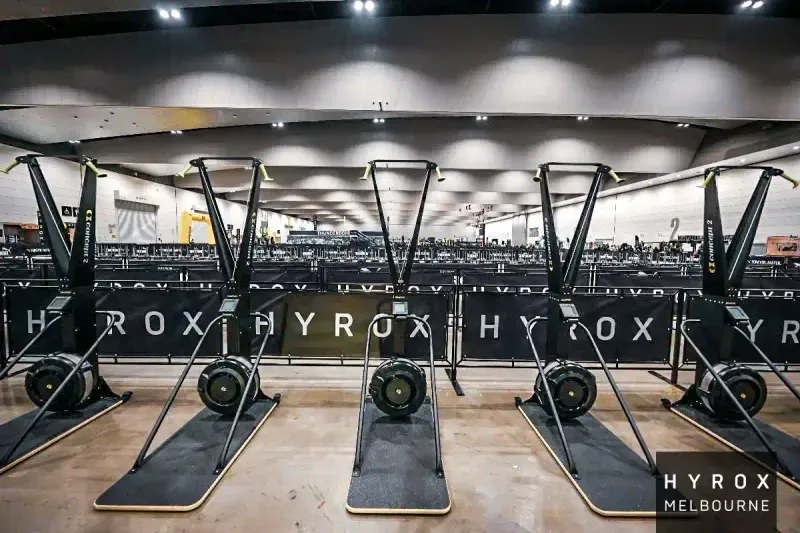
HYROX Washington DC is going big in 2026 with five full days of racing, making it one of the longest-format events on the North America calendar. HYROX’s official copy positions this as a historic expansion for the city, with “thousands of athletes” expected across an extended race week. That alone changes the feel of the event: this is not a quick weekend stop, but a major multi-day race block with real scale.
Washington also sits in a strong calendar slot. Early September is still warm in DC, which means athletes need to think about hydration and recovery even if most of the competition environment is indoors. It is the kind of city where race week can feel very efficient if you set it up well: fly in, stay central, use the Metro, and keep your logistics simple. That gives Washington a very different energy from car-dependent U.S. race cities.
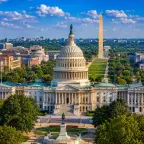
Washington DC works well as a HYROX destination because it is compact, legible, and full of instantly recognisable landmarks. For international athletes, that matters. You are not trying to decode a sprawling city with weak public transport; you are landing in one of the easiest U.S. capitals to navigate without a car, with direct airport access, strong hotel stock, and major attractions clustered close together.
The racecation angle is clean rather than flashy. DC is less about beaches or nightlife and more about a polished long-weekend experience: museum districts, monument walks, good fast-casual food, strong coffee, and easy movement around the city. That makes it ideal for gym crews and athletes who want the trip to feel smooth. If you extend beyond race weekend, Georgetown, The Wharf, Capitol Hill, and the National Mall all give you low-effort, high-quality ways to fill the gaps without overcomplicating the trip. General destination guidance from Washington tourism and National Mall planning resources supports this “walkable landmarks + transit” model.
Use the map to compare and book hotels near the HYROX Washington D.C. venue — less travel, more focus on race day.
For Walter E. Washington Convention Center, stay in Mount Vernon Square / Downtown / Penn Quarter if race-day convenience is the priority. This is a strong venue-adjacent setup where several hotels sit close enough to keep race bags, early waves, and group movement simple.
Recommended nearby hotels:
Premium
Intermediate
Budget / Practical
Athlete booking advice:
For Washington DC, staying close to the convention center is the smart play. Downtown hotel choice is strong, but the best race-week options will be the ones that minimise walking distance and avoid race-morning transport decisions
For U.S. events, visa planning matters. Travelers from Visa Waiver Program countries can usually enter for up to 90 days with an approved ESTA before departure, while travelers from countries outside the VWP generally need a B1/B2 visitor visa in advance. The official U.S. government pages remain the right source for current requirements, and athletes should allow time for processing and be prepared with onward travel and accommodation details.
Official sources:
https://esta.cbp.dhs.gov
https://travel.state.gov
Washington DC sits in the upper-middle tier for North American race travel. Domestic flights are usually manageable if booked early, and international fares from Europe are often more reasonable than West Coast U.S. stops. Hotels are the biggest cost variable: central DC can get expensive quickly, especially around major event periods, but there is still solid value in well-connected downtown or Arlington locations. Food is typical for a major U.S. city, with plenty of athlete-friendly fast-casual chains that keep daily spend under control, and the Metro helps reduce local transport costs if you avoid relying on rideshares for every movement. Overall, DC is not cheap, but it is a cleaner value play than New York and usually easier to manage than a more spread-out U.S. city.
Washington is one of the easiest U.S. HYROX cities to navigate without a car.
March in Washington, D.C. brings early signs of spring, but it’s still brisk. Expect temperatures between 5–15°C (40–59°F) with a mix of sunny days and light rain. Mornings and evenings can be chilly, so pack layers and a windproof jacket. Cherry blossoms may start blooming by the end of the month, offering a scenic bonus for race-cationers. Overall, it’s a refreshing and invigorating time to compete and explore the U.S. capital.
Washington is strong for athlete-friendly food because the city has a deep fast-casual ecosystem that works brilliantly during race week.
Sweetgreen – The obvious DC staple: bowls, salads, easy macros, fast service.
https://www.sweetgreen.com
CAVA – Mediterranean bowls, strong protein options, reliable race-week fuel.
https://cava.com
Whole Foods Market – Useful for bananas, rice, ready meals, hydration, and simple snack control.
https://www.wholefoodsmarket.com
Founding Farmers – Good sit-down team meal if your crew wants something more substantial without going too fancy.
https://www.wearefoundingfarmers.com
The pattern here is simple: DC is not a “food adventure” race city first; it is a city where it is very easy to eat well without stress.
DC has a solid functional fitness and strength ecosystem, especially if you are staying centrally or just across the river in Arlington.
CrossFit DC – One of the city’s best-known functional fitness options and the closest fit for HYROX-style prep.
https://www.crossfitdc.com
Balance Gym – Strong all-round option with better “big gym” flexibility for athletes who just want a shakeout or travel session.
https://balancegym.com
Gold’s Gym DC Metro Area – Dependable fallback if you want standard cardio, weights, and simplicity.
https://www.goldsgymdcmetro.com
The key for Washington is not hunting something exotic. It is choosing a gym that is close, easy, and does not create extra transport friction during race week.
Washington DC is not a classic wellness city in the luxury-resort sense, but it is a very good practical recovery city. The best recovery plan here is usually simple: low-stress walking, good food, hydration, and one targeted recovery treatment rather than turning the day after into another mission.
For active recovery, the National Mall is ideal. Flat, open, iconic, and easy to use for a walk or very light flush session. The Tidal Basin and Georgetown waterfront also work well if you want something calmer or more scenic. The city rewards these kinds of gentle recovery sessions because everything is surprisingly accessible.
For treatment-based recovery, DC has no shortage of sports massage, physio, and hotel-spa options across downtown and nearby Arlington. The best race-week setup is usually: short morning walk, clean lunch, then massage or physio later in the day. Washington is not the place to overcomplicate your recovery. It is the place to keep it organised.