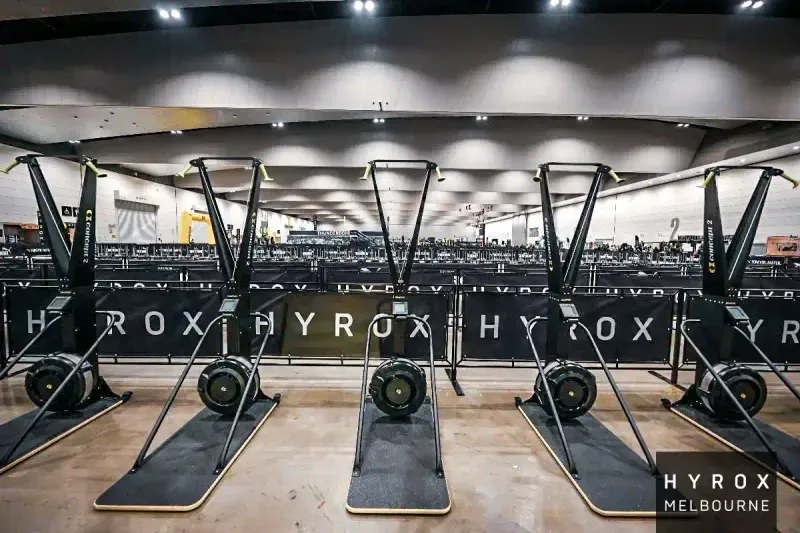
HYROX arrives in Chiba for the first time on 7–9 August 2026, bringing the global fitness race to Japan’s eastern gateway to Tokyo.
Located just outside the capital, Chiba offers access to one of the world’s most energetic urban regions while delivering a distinctly Japanese race atmosphere. Expect precision logistics, passionate local athletes, and strong participation from Japan’s rapidly growing hybrid fitness community.
With three race days scheduled, this event is likely to become one of the largest HYROX stops in Asia.
Chiba sits directly on Tokyo Bay, just east of the Japanese capital, making it one of the most accessible race locations in the country.
Most international athletes will base themselves in Tokyo or around Tokyo Bay, then travel to Chiba for race day. This setup makes the event uniquely flexible: you can combine HYROX with one of the world’s greatest cities without sacrificing logistics.
Post-race recovery options range from onsen (Japanese hot springs) and seaside walks to Tokyo’s legendary food scene. Within an hour you can move between skyscrapers, historic temples, and coastal landscapes.
For international racers, Chiba offers a rare mix: a world-class race environment paired with a cultural experience that feels unmistakably Japanese.
Use the map to compare and book hotels near the HYROX Chiba venue — less travel, more focus on race day.
For Makuhari Messe, stay in Makuhari / Kaihin-Makuhari / Messe-side Chiba. This is a very venue-friendly setup, with several hotels close enough to make race-day movement simple.
Recommended nearby hotels:
Premium
Intermediate
Budget / Practical
Athlete booking advice:
Chiba is one of the cleaner race-week accommodation setups if you stay around Kaihin-Makuhari. Book close to Makuhari Messe first; staying in central Tokyo adds unnecessary race-morning friction.
Japan allows visa-free travel for many nationalities including:
• EU countries
• UK
• USA
• Australia
• Canada
• New Zealand
Typical stay allowance: 90 days.
Passport must be valid for the duration of stay.
Official source:
https://www.mofa.go.jp
Japan sits at the higher end of Asian HYROX travel costs, but still below many Western race destinations.
Flights (return estimates)
• Southeast Asia → Tokyo: $250–$450
• Australia → Tokyo: $600–$900
• Europe → Tokyo: €700–€1,200
• USA West Coast → Tokyo: $800–$1,300
Hotels (Tokyo / Chiba)
• Budget: $70–$120
• Mid-range: $120–$220
• Premium: $250–$450+
Food
• Casual ramen / rice bowls: $8–$15
• Restaurant meals: $15–$40
Transport
Japan’s rail network is efficient and inexpensive, with typical journeys costing $3–$10.
Nearest airports:
Narita International Airport (NRT) – ~35 km
Tokyo Haneda Airport (HND) – ~50 km
Both airports connect directly to Tokyo via train.
From Tokyo to Chiba:
JR Keiyo Line or Sobu Line provide fast and frequent service.
Japan’s rail network is among the most reliable in the world.
August in Chiba is hot and humid, typical of the Japanese summer.
Average temperatures:
• Daytime highs: 30–33°C
• Nights: 24–26°C
Hydration and heat management will be important for athletes arriving from cooler climates.
Japan’s food scene is athlete-friendly thanks to simple, high-quality ingredients and fast service.
Ichiran Ramen – famous ramen chain with deep flavour and quick service.
https://ichiran.com
Gyukatsu Motomura – breaded beef cutlet served with rice and cabbage.
https://gyukatsu-motomura.com
Sushi Zanmai – dependable sushi option open late across Tokyo.
https://www.kiyomura.co.jp
Japan’s functional fitness scene has grown rapidly over the past decade.
CrossFit Chiba
Established affiliate with strong community and functional equipment.
CrossFit Tokyo
Well-known box popular with international drop-ins.
Gold’s Gym Japan
Large facilities with strong strength training setups.
Anytime Fitness Japan
Widely available for basic workouts and travel convenience.
Most gyms accept drop-ins but booking ahead is recommended.
Recovery in Japan blends modern sports science with centuries-old wellness traditions.
Oedo Onsen Monogatari
Traditional hot spring bathing experience with relaxation areas.
Spa LaQua (Tokyo Dome City)
Large urban spa complex offering baths, saunas, and massage.
Japanese shiatsu massage clinics are widely available and typically affordable compared to Western spas.
Tokyo Bay waterfront walks provide flat, relaxing routes for light movement the day after racing.